Buy quokr.com ?
We are moving the project
quokr.com .
Are you interested in purchasing the domain
quokr.com ?
domain@kv-gmbh.de · 0541-91531010
Buy quokr.com ?
What are the requirements for selling meat?
The requirements for selling meat vary by location, but generally include obtaining a license or permit from the local health department or regulatory agency. In addition, sellers must comply with food safety regulations, including proper handling, storage, and transportation of the meat. Sellers may also need to meet specific labeling and packaging requirements, as well as maintain records of where the meat was sourced from. It's important for sellers to thoroughly research and understand the regulations and requirements in their specific area before selling meat. **
What does "Stallhaltung" mean when buying meat?
"Stallhaltung" refers to meat that comes from animals that have been raised in conventional indoor housing systems, such as stalls or cages. This term is often used to indicate that the animals were not raised in free-range or pasture-based systems. Consumers who are concerned about animal welfare or the environmental impact of conventional farming practices may choose to avoid meat labeled as "Stallhaltung." **

Similar search terms for Meat
Top-Angebote
Products related to Meat:


-
'Meat or no meat?'
The decision to eat meat or not is a personal choice that depends on individual beliefs, values, and dietary preferences. Some people choose to eat meat for its nutritional benefits, while others opt for a vegetarian or vegan diet for ethical, environmental, or health reasons. It's important to consider the impact of meat consumption on animal welfare, the environment, and personal health when making this decision. Ultimately, the choice of whether to eat meat or not is a personal one that should be made based on careful consideration of these factors. **
-
What is more environmentally friendly: eating local products and meat or imported products but not eating meat?
Eating local products and meat is generally more environmentally friendly than consuming imported products but not eating meat. This is because the transportation of imported products contributes to greenhouse gas emissions and energy consumption. Additionally, the production of meat, especially beef, has a significant environmental impact in terms of land use, water consumption, and methane emissions. By choosing local products and meat, one can reduce the carbon footprint associated with transportation and support sustainable farming practices. However, it's important to note that the environmental impact of food choices can vary depending on factors such as farming practices, transportation methods, and the specific product in question. **
-
What does stall-raised mean when buying meat?
When buying meat, "stall-raised" typically refers to animals that have been raised in individual stalls or pens within a barn or other enclosed structure. This method of raising animals is often used in intensive farming systems, where animals are kept in confined spaces and may not have access to outdoor areas. Stall-raised animals may have limited mobility and may not be able to exhibit natural behaviors such as grazing or foraging. It's important to consider the welfare implications of stall-raised meat when making purchasing decisions. **
-
Wild meat or regular meat?
It's important to consider the ethical and environmental implications of consuming wild meat versus regular meat. Wild meat, such as game animals, can be a more sustainable and natural option as it is often hunted in a way that supports local ecosystems and wildlife populations. However, regular meat from domesticated animals can be more readily available and may be produced in a more controlled and regulated manner. Ultimately, the choice between wild meat and regular meat depends on individual preferences, ethical considerations, and access to sustainable sources. **


Does meat substitute really replace meat?
Meat substitutes can provide a similar texture and taste to meat, making them a viable option for those looking to reduce their meat consumption. However, they may not fully replace the nutritional benefits of meat, as they may lack certain essential nutrients such as complete proteins, iron, and vitamin B12. Additionally, the environmental and ethical implications of meat production are not fully addressed by meat substitutes. While they can be a helpful alternative for some, it's important to consider the overall impact and nutritional value when choosing between meat and meat substitutes. **
Should vegan/vegetarian meat be called meat?
The term "meat" traditionally refers to the flesh of animals, so some argue that vegan/vegetarian alternatives should not be labeled as such. However, using the term "meat" for plant-based products helps consumers understand their purpose as substitutes for traditional meat. As long as the labeling is clear and transparent about the ingredients, it can be a helpful way to market these products to a wider audience. Ultimately, the decision on labeling should prioritize consumer understanding and transparency. **
Top-Angebote
Products related to Meat:
-
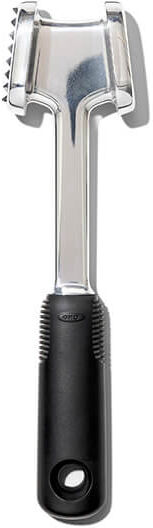
OXO Good Grips Meat TenderiserUpgrade your kitchen toolkit with the OXO Good Grips Meat Tenderiser, a durable die‑cast mallet built to deliver efficient, consistent results. Designed with two functional sides, it gives you the control to prep a wide range of proteins with ease. The textured, pyramid‑tooth surface helps loosen tough muscle fibres, allowing marinades to penetrate more effectively and improving tenderness. Flip to the smooth face to create even thickness in chicken, pork, or beef, supporting quicker, more uniform cooking. Thoughtfully balanced, the weighted head provides powerful impact without requiring extra effort, while the signature OXO soft, non‑slip handle keeps your grip secure—even with wet hands. Crafted from robust die‑cast aluminium, this tool is made to withstand regular use and remain a reliable part of your food‑prep routine.15,30 £*Shipping: 3,50 £Secure redirect to the provider
-
What are the requirements for selling meat?
The requirements for selling meat vary by location, but generally include obtaining a license or permit from the local health department or regulatory agency. In addition, sellers must comply with food safety regulations, including proper handling, storage, and transportation of the meat. Sellers may also need to meet specific labeling and packaging requirements, as well as maintain records of where the meat was sourced from. It's important for sellers to thoroughly research and understand the regulations and requirements in their specific area before selling meat. **
-
What does "Stallhaltung" mean when buying meat?
"Stallhaltung" refers to meat that comes from animals that have been raised in conventional indoor housing systems, such as stalls or cages. This term is often used to indicate that the animals were not raised in free-range or pasture-based systems. Consumers who are concerned about animal welfare or the environmental impact of conventional farming practices may choose to avoid meat labeled as "Stallhaltung." **
-
'Meat or no meat?'
The decision to eat meat or not is a personal choice that depends on individual beliefs, values, and dietary preferences. Some people choose to eat meat for its nutritional benefits, while others opt for a vegetarian or vegan diet for ethical, environmental, or health reasons. It's important to consider the impact of meat consumption on animal welfare, the environment, and personal health when making this decision. Ultimately, the choice of whether to eat meat or not is a personal one that should be made based on careful consideration of these factors. **
-
What is more environmentally friendly: eating local products and meat or imported products but not eating meat?
Eating local products and meat is generally more environmentally friendly than consuming imported products but not eating meat. This is because the transportation of imported products contributes to greenhouse gas emissions and energy consumption. Additionally, the production of meat, especially beef, has a significant environmental impact in terms of land use, water consumption, and methane emissions. By choosing local products and meat, one can reduce the carbon footprint associated with transportation and support sustainable farming practices. However, it's important to note that the environmental impact of food choices can vary depending on factors such as farming practices, transportation methods, and the specific product in question. **
Similar search terms for Meat
-
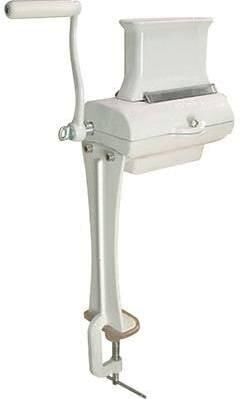
Brentwood Appliances MG-400W White Meat GrinderThis heavy Duty Grinder comes with Stainless Steel Cutting Blades and includes 2pcs of High grade Stainless Steel Cutting discs. It is designed to take on any challenge and is perfect for your signature ground beef and sausages.146,99 $*Shipping: 0,00 $Secure redirect to the provider
-
What does stall-raised mean when buying meat?
When buying meat, "stall-raised" typically refers to animals that have been raised in individual stalls or pens within a barn or other enclosed structure. This method of raising animals is often used in intensive farming systems, where animals are kept in confined spaces and may not have access to outdoor areas. Stall-raised animals may have limited mobility and may not be able to exhibit natural behaviors such as grazing or foraging. It's important to consider the welfare implications of stall-raised meat when making purchasing decisions. **
-
Wild meat or regular meat?
It's important to consider the ethical and environmental implications of consuming wild meat versus regular meat. Wild meat, such as game animals, can be a more sustainable and natural option as it is often hunted in a way that supports local ecosystems and wildlife populations. However, regular meat from domesticated animals can be more readily available and may be produced in a more controlled and regulated manner. Ultimately, the choice between wild meat and regular meat depends on individual preferences, ethical considerations, and access to sustainable sources. **
-
Does meat substitute really replace meat?
Meat substitutes can provide a similar texture and taste to meat, making them a viable option for those looking to reduce their meat consumption. However, they may not fully replace the nutritional benefits of meat, as they may lack certain essential nutrients such as complete proteins, iron, and vitamin B12. Additionally, the environmental and ethical implications of meat production are not fully addressed by meat substitutes. While they can be a helpful alternative for some, it's important to consider the overall impact and nutritional value when choosing between meat and meat substitutes. **
-
Should vegan/vegetarian meat be called meat?
The term "meat" traditionally refers to the flesh of animals, so some argue that vegan/vegetarian alternatives should not be labeled as such. However, using the term "meat" for plant-based products helps consumers understand their purpose as substitutes for traditional meat. As long as the labeling is clear and transparent about the ingredients, it can be a helpful way to market these products to a wider audience. Ultimately, the decision on labeling should prioritize consumer understanding and transparency. **
* All prices are inclusive of VAT and, if applicable, plus shipping costs. The offer information is based on the details provided by the respective shop and is updated through automated processes. Real-time updates do not occur, so deviations can occur in individual cases. ** Note: Parts of this content were created by AI.